
Gamification on a Budget: Cost-Effective Ideas for Small Virtual Events

Blog Home Articles Videos Blog Home Articles Gamification on a Budget: Cost-Effective Ideas for Small Virtual Events Gamification is a powerful tool to increase engagement, excitement, and participation at virtual events. It taps into people’s natural love of competition, rewards, and fun, transforming a typical event into an interactive experience that attendees won’t forget. However, for small event organizers with limited budgets, gamifying a virtual event may seem like an expensive and out-of-reach strategy. The good news is that gamification doesn’t have to break the bank. In this blog, we’ll explore cost-effective ideas and tools for incorporating gamification into small virtual events, providing tips to boost attendee engagement while keeping costs low. What is Gamification? Gamification involves incorporating game-like elements into non-game contexts to enhance engagement and motivation. In virtual events, this could mean adding features like quizzes, leaderboards, challenges, rewards, and points systems to make the experience more interactive. As Jane McGonigal, game designer and author of Reality Is Broken, explains: “Gamification leverages the inherent human desire for mastery, social connection, and achievement. By tapping into these desires, event organizers can create a more engaging, enjoyable experience for their attendees.” Why Gamify Small Virtual Events? Gamification can have a significant impact on small virtual events, particularly by: Increasing Engagement: Gamified elements like competitions and challenges create an engaging, interactive environment that encourages active participation. Enhancing Learning and Retention: Games often involve repetition and problem-solving, which can help attendees retain information more effectively. Building Community: Gamified activities can promote social interaction, building a sense of community among remote attendees who might otherwise feel disconnected. Encouraging Networking: Games can provide a natural way for attendees to interact with each other and create connections in a relaxed, fun environment. Despite these benefits, many small event organizers are concerned about the cost of implementing gamification. Luckily, there are affordable solutions that don’t require large budgets. Budget-Friendly Ideas for Gamifying Your Virtual Event Here are several cost-effective gamification ideas that can elevate your small virtual event without breaking the bank: 1. Interactive Quizzes and Polls Interactive quizzes and polls are one of the simplest and most affordable ways to add gamification to your virtual event. They encourage engagement, provide immediate feedback, and allow participants to compete in a fun, low-stakes way. Tools to Use: Kahoot! is a popular and easy-to-use platform for creating fun quizzes and polls. It offers a free version for basic features, making it a great option for small events. Mentimeter allows you to create live polls, quizzes, and word clouds. It has a free plan suitable for smaller events and offers engaging, real-time results. Pro Tip: Use quizzes as ice-breakers at the start of the event or as mini-games throughout to maintain energy and participation. “Quizzes are a great way to both engage your audience and gather insights about them in real time. The beauty of platforms like Kahoot! is that they offer a quick way to inject fun into your event without extra costs.” – Adam Jackson, CEO of EventTech Innovators. 2. Leaderboards and Point Systems Leaderboards can spark friendly competition among attendees, encouraging them to participate more actively. You can create a simple points system that rewards attendees for completing tasks, answering questions, or engaging with event content. Tools to Use: Slido is another interactive platform that integrates with event software to offer live polling, Q&A, and ranking systems. It’s free for smaller events, allowing you to create engaging leaderboards without spending a lot. EventMobi provides customizable tools for gamification, including points tracking and leaderboard features. While the platform typically offers a paid service, small-scale plans may be affordable for budget-conscious organizers. Pro Tip: Reward the top participants with small prizes or shout-outs to keep motivation high throughout the event. 3. Virtual Scavenger Hunts A virtual scavenger hunt is a creative and engaging way to gamify your event. Attendees can be tasked with finding specific items or completing challenges during the event. This works especially well in virtual environments, where tasks can be related to the event’s content. Tools to Use: GooseChase allows you to create a customizable scavenger hunt with a mix of challenges, location-based tasks, and media uploads. The platform offers affordable pricing, with a free trial for testing out the features. Scavify is another budget-friendly app that lets you design scavenger hunts with interactive tasks, quizzes, and photo challenges. It also has a basic plan perfect for small events. Pro Tip: Keep the tasks simple and relevant to your event’s theme, such as asking attendees to take a photo with a specific item or answer a trivia question related to the session. “A scavenger hunt is one of the most engaging activities for virtual events. It adds an element of fun and encourages attendees to actively interact with event content, all while staying on budget.” – Rachel Wiseman, Event Planner at Virtual Events Agency. 4. Virtual Badges and Certificates Gamified rewards such as badges, certificates, and virtual trophies are a low-cost way to recognize attendees’ achievements during your event. These can be awarded for various milestones like attending a session, answering questions correctly, or completing certain tasks. Tools to Use: Badgr is a free platform that allows you to create and distribute digital badges based on attendee actions or achievements. This adds a sense of accomplishment for attendees while keeping costs low. Canva offers templates for creating personalized certificates and badges, which you can easily distribute to attendees after the event. Pro Tip: Consider offering a “VIP” badge to top participants, which can give them special access to additional content or networking opportunities. 5. Networking and Social Challenges Encourage networking through gamified social challenges. This can be as simple as setting up “challenges” for attendees to meet a certain number of people or ask questions during virtual sessions. You can create a bingo-style card with social activities, and attendees check off items as they complete them. Tools to Use: BingoBaker is an easy-to-use tool for creating custom bingo cards for your virtual event. It’s
AI in Event Measurement: Leveraging Technology for Better ROI

Blog Home Articles Videos Blog Home Articles AI in Event Measurement: Leveraging Technology for Better ROI The event industry has evolved dramatically in recent years, especially with the advent of artificial intelligence (AI). From seamless event planning to data-driven insights, AI has become an indispensable tool in optimizing event measurement, allowing organizers to gain a deeper understanding of their events and improve return on investment (ROI). As event professionals strive to prove the value of their work, AI is helping them not only meet but exceed expectations. In this blog, we’ll explore how AI is revolutionizing event measurement and how event organizers can leverage this technology to maximize their ROI. Understanding Event ROI Event ROI is a key metric that helps organizations evaluate the success of an event. It goes beyond just ticket sales or attendee numbers. It includes a comprehensive assessment of the event’s impact on brand awareness, engagement, sales, lead generation, and overall business outcomes. Traditionally, event organizers relied on basic methods like surveys, post-event reports, and manual tracking of leads to gauge success. However, these approaches often provide limited insights, are time-consuming, and lack real-time data for quick decision-making. This is where AI-driven solutions come into play. AI-Driven Event Measurement: How It Works AI-powered tools and analytics platforms collect and analyze large volumes of data from multiple sources, allowing organizers to measure event success with greater accuracy. AI helps track attendee behavior, engagement, social media interactions, and more, offering a 360-degree view of an event’s performance. Some key areas where AI enhances event measurement include: 1. Real-Time Analytics and Data Collection AI enables real-time data collection, which is invaluable for measuring attendee behavior as it happens. For instance, AI can track which sessions were the most popular, how long attendees stayed at booths or exhibits, and which areas of the event received the most traffic. This data can then be used to optimize future events and improve attendee experiences. By leveraging AI tools like Bizzabo, which offers AI-driven analytics, event organizers can access key insights that help them make data-backed decisions in real time. As Michelle Greene, Event Strategist and Founder of Event AI Solutions, puts it, “AI is revolutionizing the event industry by providing insights that were previously unattainable. It’s no longer about just counting attendees; it’s about understanding their behavior and preferences in real time.” With tools like Hubilo, which also leverages AI to analyze attendee movement, event professionals can adjust event layouts or session timing based on what’s most engaging for attendees, ultimately improving ROI. 2. Enhanced Attendee Engagement Tracking Tracking attendee engagement is a critical element of measuring event success. AI can analyze attendee interactions across various touchpoints, including app usage, social media engagement, booth visits, and session attendance. AI can identify trends in engagement levels, uncover which content resonates with attendees, and pinpoint areas of the event that need improvement. For example, Grip, an AI-powered event networking platform, uses machine learning algorithms to match attendees with relevant content and other attendees. This technology enhances attendee satisfaction, which directly correlates with event ROI. As John Montgomery, Chief Data Officer at NextGen Events, notes, “Data is the backbone of modern event planning, and AI is the spine that holds it all together. By leveraging AI, event organizers can make smarter decisions, optimize experiences, and measure ROI with precision.” By understanding attendee preferences and behaviors, organizers can adjust marketing strategies, personalize experiences, and increase the likelihood of repeat attendees at future events. 3. Sentiment Analysis Understanding attendee sentiment before, during, and after the event is crucial for measuring success. AI can be used to analyze social media posts, online reviews, and feedback surveys to determine how attendees felt about the event. By analyzing sentiment, AI can provide insights into what went well and what needs improvement. AI tools such as Social Tables scan thousands of social media posts and comments to segment positive, negative, and neutral sentiment. This analysis gives event organizers a comprehensive overview of attendee satisfaction. Sentiment analysis offers real-time feedback, enabling organizers to make immediate adjustments to enhance the event experience. As Greene highlights, sentiment analysis can be a game-changer for identifying what truly resonates with audiences. 4. Lead Generation and Conversion Analysis For corporate events, trade shows, and conferences, one of the main objectives is to generate quality leads and measure how they convert into sales. AI can help track and measure lead generation throughout the event by analyzing data from interactions, conversations, and engagement at various touchpoints. By tracking each attendee’s journey from booth visits to networking sessions, AI can assess how likely each lead is to convert into a sale. AI tools like Zoho CRM can integrate with event platforms to track attendee interactions and help marketers personalize follow-up messages. By analyzing lead behavior, AI can identify the most promising prospects and increase conversion rates, ultimately boosting event ROI. By better understanding which leads are most likely to convert, event organizers can focus their efforts where they will have the most significant impact. 5. Event Personalization One of the most powerful ways AI enhances event measurement is through personalization. AI algorithms can collect data about an attendee’s interests, preferences, and past interactions and use this information to create personalized experiences. For example, personalized session recommendations, networking opportunities, and targeted content can enhance the attendee experience, leading to higher engagement levels and greater satisfaction. Personalization also extends to marketing efforts before and after the event. AI can identify which marketing messages or offers resonate most with specific groups of attendees, allowing organizers to tailor their communications. Grip, for instance, is an excellent example of how AI-driven networking and matchmaking can create a more personalized experience for attendees. By increasing satisfaction and relevance, personalization can drive greater ROI. Maximizing ROI with AI-Driven Insights By leveraging AI for event measurement, organizers can gain access to a wealth of insights that help improve both the attendee experience and the bottom line. AI-driven event measurement tools allow for data-driven decision-making, enabling organizers to:
Video: Zenus: AI-Powered Audience Analytics
Blog Home Articles Videos Blog Home Articles Video: Zenus: AI-Powered Audience Analytics Understanding your audience is crucial for webinar success, and Zenus is leading the charge in 2024. This AI tool offers: Real-time sentiment analysis during live webinars Demographic insights without compromising attendee privacy Engagement scoring to help identify the most interested participants With Zenus, webinar hosts can adapt their content on the fly and follow up with the most promising leads post-event. Tags: Video Read Our Articles: All Post AlgoMind Design Event Technology Trends NeurAgency Gamification on a Budget: Cost-Effective Ideas for Small Virtual Events Xcyte DigitalRead More AI in Event Measurement: Leveraging Technology for Better ROI Xcyte DigitalRead More Load More End of Content. Expand your knowledge—subscribe here to our YouTube channel for more video content.
Video: Cvent AI Writing Assistant – Content Creation Made Easy
Blog Home Articles Videos Blog Home Articles Video: Cvent AI Writing Assistant – Content Creation Made Easy Cvent’s AI Writing Assistant is a game-changer for webinar organizers struggling with content creation. This tool: Generates compelling event descriptions and marketing copy Crafts personalized email invitations Creates engaging social media posts to promote your webinar By leveraging AI to handle the writing tasks, organizers can focus on strategy and audience engagement. Tags: Video Read Our Articles: All Post AlgoMind Design Event Technology Trends NeurAgency Video: Breeze Intelligence by HubSpot – Smart CRM Integration Xcyte DigitalRead More Video: Cvent AI Writing Assistant – Content Creation Made Easy Xcyte DigitalRead More Load More End of Content. Expand your knowledge—subscribe here to our YouTube channel for more video content.
Creating the Ultimate Event Dashboard Using AI: A Game-Changer for Event Management

Blog Home Articles Videos Blog Home Articles Creating the Ultimate Event Dashboard Using AI: A Game-Changer for Event Management In the fast-paced world of event management, staying ahead of the curve is crucial. As we step into 2025, artificial intelligence (AI) has emerged as a powerful ally for event organizers, revolutionizing how we plan, execute, and analyze events. One of the most impactful applications of AI in this field is the creation of dynamic, intelligent event dashboards. Let’s explore how you can harness AI to create the ultimate event dashboard that will transform your event management process. Why AI-Powered Event Dashboards Matter Before we dive into the how-to, let’s talk about why AI-powered dashboards are such a game-changer. Imagine having a tool that can process vast amounts of data in real-time, providing you with up-to-the-minute insights. That’s just the beginning. These dashboards can also forecast trends and potential issues before they occur, giving you a crystal ball into your event’s future. Plus, they can tailor the dashboard experience for different stakeholders, automate routine tasks and reporting, and create more intuitive and interactive data visualizations. It’s like having a super-powered assistant that never sleeps! Steps to Create Your AI-Powered Event Dashboard Now, let’s roll up our sleeves and get into the nitty-gritty of creating your AI-powered event dashboard. First things first, you need to define your objectives. What do you want your dashboard to achieve? Maybe you’re keen on tracking attendee engagement, or perhaps you’re more interested in monitoring event ROI. You might want to manage logistics and resources, analyze speaker and session performance, or measure sponsor visibility and lead generation. Whatever your goals, make sure they’re clear from the get-go. Next up, you’ll need to choose the right AI platform. Look for one that specializes in event management or can be customized for your needs. You’ll want features like Natural Language Processing for easy querying, Machine Learning capabilities for predictive analytics, and integration with your existing event management tools. Once you’ve got your platform, it’s time to integrate your data sources. Think about connecting your AI dashboard to your event registration systems, mobile event apps, social media platforms, feedback and survey tools, and on-site engagement trackers like RFID or beacons. Now comes the fun part – designing your dashboard layout. Work with your AI platform to create something intuitive and user-friendly. Consider a modular design for easy customization, role-based views for different team members, and make sure it’s mobile-responsive for on-the-go access. With the basics in place, it’s time to implement some key AI features. Use AI to automatically generate the most relevant charts, graphs, and infographics based on your data and objectives. Implement AI models that can forecast attendance, predict potential bottlenecks, and suggest optimal resource allocation. Allow users to ask questions in plain language and receive instant insights, powered by Natural Language Processing. Set up AI to generate comprehensive reports automatically, saving hours of manual work. And don’t forget about sentiment analysis – use AI to analyze social media mentions, feedback, and surveys to gauge attendee sentiment in real-time. Make sure your AI system is configured to process and update data in real-time, so your dashboard always reflects the current state of your event. Set up intelligent alerts that notify you of significant changes, potential issues, or opportunities that require immediate attention. Of course, all this fancy tech won’t do much good if your team doesn’t know how to use it. Provide comprehensive training to your team on how to interact with and interpret the AI-powered dashboard. Emphasize the importance of data-driven decision-making. Finally, remember that improvement is an ongoing process. Use machine learning algorithms to continuously enhance the dashboard’s performance based on user interactions and feedback. Wrapping Up Creating the ultimate event dashboard using AI isn’t just about having the latest technology; it’s about revolutionizing how you understand and manage your events. By following these steps and best practices, you’ll be well on your way to creating a powerful tool that will give you unprecedented insights, save countless hours, and ultimately lead to more successful events. Tags: Events Success Read More: All Post AlgoMind Design Event Technology Trends NeurAgency The Necessity of Safeguards Against Deepfakes in Live Streaming – Copy Read More The Necessity of Safeguards Against Deepfakes in Live Streaming Read More Video: Introduction to 5 AI-Powered Webinar Tools in 2024 Read More Event Trends 2025: What’s New and Exciting? Read More Earnings Results: Why Conference Calls and Webcasts Are Here to Stay Read More Load More End of Content.
Video: Synthesia – AI-Generated Video Presenters
Blog Home Articles Videos Blog Home Articles Video: Synthesia – AI-Generated Video Presenters Synthesia has taken the webinar world by storm with its ability to create lifelike AI avatars that can present content in multiple languages. This tool allows event organizers to: Generate professional-looking video content without the need for a studio or camera crew Create multilingual presentations with a single click Customize avatars to match brand aesthetics With Synthesia, webinars can now feature diverse presenters and reach global audiences more effectively. Tags: Video Read Our Articles: All Post AlgoMind Design Event Technology Trends NeurAgency Video: Introduction to 5 AI-Powered Webinar Tools in 2024 – Copy Xcyte DigitalRead More The Necessity of Safeguards Against Deepfakes in Live Streaming – Copy Xcyte DigitalRead More Load More End of Content. Expand your knowledge—subscribe here to our YouTube channel for more video content.
The Necessity of Safeguards Against Deepfakes in Live Streaming

Blog Home Articles Blog Home Articles The Necessity of Safeguards Against Deepfakes in Live Streaming In an era where artificial intelligence and deep learning technologies are advancing at an unprecedented pace, the line between reality and digital fabrication is becoming increasingly blurred. This technological leap has given rise to a phenomenon known as “deepfakes” – hyper-realistic digital forgeries of audio, video, or images. While these innovations have their merits, they also pose significant challenges, particularly in the realm of live streaming. This article explores why robust safeguards are crucial to ensure the authenticity of live-streamed content and the individuals behind it. The Rise of Deepfakes Deepfakes have evolved from novelty to potential threat in a remarkably short time. Using AI algorithms, it’s now possible to create convincing videos of people saying or doing things they never actually did. This technology has advanced to the point where it can be applied in real-time, raising concerns about its potential misuse in live streaming contexts. The Threat to Live Streaming Live streaming platforms have become integral to modern communication, entertainment, and business. From social media live sessions to remote work meetings, we rely on these platforms to connect with real people in real-time. However, the emergence of real-time deepfake technology threatens to undermine this trust. Consider the following scenarios: Identity Fraud: A malicious actor could impersonate a celebrity, politician, or business leader in a live stream, spreading misinformation or manipulating public opinion. Financial Scams: Deepfakes could be used to conduct live investment pitches or product demonstrations, leading to financial fraud on a massive scale. Personal Security: Individuals could be impersonated in video calls, potentially compromising personal or professional relationships. Corporate Espionage: Sensitive business meetings could be infiltrated by deepfake representations of trusted individuals. The Need for Safeguards Given these risks, it’s clear that we need robust safeguards to verify the authenticity of individuals in live streams. Here’s why these safeguards are crucial: 1. Maintaining Trust in Digital Communication As our reliance on digital communication grows, so does the need to trust the authenticity of these interactions. Safeguards against deepfakes help maintain the integrity of live streaming platforms, ensuring that users can trust what they see and hear. 2. Protecting Individual and Corporate Reputations Without proper verification, individuals and organizations risk having their identities misused in damaging ways. Safeguards protect against unauthorized impersonation and the potential reputational damage that could result. 3. Ensuring Financial Security In an age where many financial transactions and decisions are made based on live video interactions, verifying the identity of participants is crucial to prevent fraud and protect investments. 4. Preserving the Integrity of Information Live streams are often used to disseminate important information, from news broadcasts to corporate announcements. Safeguards help ensure that this information comes from legitimate sources, combating the spread of misinformation. 5. Legal and Ethical Considerations As deepfake technology advances, legal and ethical frameworks struggle to keep pace. Implementing safeguards now helps establish best practices and potentially inform future regulations. Potential Safeguards Several approaches can be taken to verify the authenticity of individuals in live streams: Multi-factor Authentication: Requiring multiple forms of identity verification before allowing access to live streaming platforms. Biometric Verification: Utilizing technologies like facial recognition, voice analysis, or even behavioral biometrics to confirm identity. Blockchain-based Verification: Implementing decentralized identity verification systems that are harder to manipulate. AI-powered Deepfake Detection: Employing advanced algorithms to detect signs of digital manipulation in real-time. Watermarking and Digital Signatures: Embedding unique, verifiable markers into live streams to confirm their origin and authenticity. The battle against deepfakes in live streaming is ongoing, and it requires a collaborative effort from technology developers, platform providers, and users alike. By staying vigilant and prioritizing the development of effective safeguards, we can create a safer, more trustworthy digital environment for all. Tags: Events Success Read More: All Post AlgoMind Design Event Technology Trends NeurAgency The Necessity of Safeguards Against Deepfakes in Live Streaming Read More Video: Introduction to 5 AI-Powered Webinar Tools in 2024 Read More Event Trends 2025: What’s New and Exciting? Read More Earnings Results: Why Conference Calls and Webcasts Are Here to Stay Read More Hosting Large Capacity Online Events: Zoom, Teams, and Webinar Platforms Read More Load More End of Content.
Video: Introduction to 5 AI-Powered Webinar Tools in 2024
Blog Home Articles Blog Home Articles Introduction to 5 AI-Powered Webinar Tools in 2024 As we dive deeper into 2024, the world of webinars continues to evolve, with artificial intelligence (AI) playing a pivotal role in enhancing the virtual event experience. Here are five cutting-edge AI-powered tools that are making waves in the webinar space this year. Tags: Video Read Our Articles: All Post AlgoMind Design Event Technology Trends NeurAgency Introduction to 5 AI-Powered Webinar Tools in 2024 Xcyte DigitalRead More Event Trends 2025: What’s New and Exciting? Xcyte DigitalRead More Load More End of Content.
Event Trends 2025: What’s New and Exciting?

Blog Home Articles Blog Home Articles Event Trends 2025: What’s New and Exciting? Hey there, event planners! Ready to take a peek into the future of our industry? Buckle up, because 2025 is going to be a wild ride for event organizing. Let’s dive into some cool new elements you’ll want to keep on your radar. 1. Sustainability: It’s Not Just a Trend, It’s a Lifestyle Remember when we used to think putting out recycling bins was enough? Well, in 2025, we’re taking it to a whole new level. We’re talking about zero-waste events where everything from name tags to food containers will be compostable or reusable. Carbon-neutral is the new black, with venues sporting solar panels and wind turbines – the works! And don’t forget, local is where it’s at. Sourcing everything from food to decor locally isn’t just trendy, it’s expected. Oh, and green transportation? It’s a must. Electric shuttle buses, anyone? 2. AI: Your New Best Friend in Personalization Artificial Intelligence isn’t just for sci-fi movies anymore. It’s your secret weapon for creating killer personalized experiences. Imagine an AI matchmaker for your attendees – no more awkward networking! You’ll have custom schedules that practically create themselves based on each attendee’s interests. And those chatbots? They’ll be so good, attendees might not even realize they’re not human. Plus, with real-time content adjustments, if a speaker starts to bore the crowd, the AI’s got your back with suggestions to spice things up. 3. Tech That Makes Jaws Drop Get ready for some seriously cool tech that’ll have your attendees talking for years. We’re looking at Augmented Reality product demos that’ll make people say, “Wait, is this real life?” Virtual Reality breakout sessions will let you learn about ancient Rome while feeling like you’re actually there! And don’t get me started on hologram speakers – because sometimes, being there in spirit (and 3D projection) is enough. All of this will run smoothly on 5G networks, because buffering in 2025? As if! 4. Hybrid Events: The Best of Both Worlds We’re not just talking about slapping a livestream on your in-person event. In 2025, hybrid means truly blending virtual and physical. Virtual attendees will be able to raise their hands and ask questions just like they’re in the room. You’ll have digital networking lounges that are so good, you might forget you’re on your couch. Content will flow seamlessly between in-person and online audiences, and venues will come pre-equipped with all the hybrid bells and whistles. 5. Wellness: Because Happy Attendees are Engaged Attendees We’re not just feeding people’s minds, we’re taking care of their bodies and souls too. Expect to see zen zones for when you need a breather from all the excitement. The food will be Instagram-worthy AND good for you – who said you can’t have your cake and eat it too? We’ll throw in dance breaks between sessions to get that blood flowing, and don’t be surprised to see mental health check-ins, because sometimes you just need to talk it out. 6. Data: Making Decisions Like a Boss In 2025, your gut feeling is great, but data is your superpower. You’ll have predictive analytics that’ll make you feel like a fortune teller, and real-time feedback loops to fix issues before they become #EventFails. Post-event analysis will go way beyond “Did you have fun?” And of course, all this data collection will be privacy-first, because nobody likes a data creep. 7. Venues: Think Outside the Convention Center Forget stuffy ballrooms. In 2025, we’re getting creative. We’re talking eco-friendly venues that Mother Nature would approve of. How about a conference in a museum? Or a product launch in a treehouse? You’ll see smart venues that practically run themselves, and spaces that transform faster than a quick-change artist. 8. Security: Keeping It Safe Without the Hassle Safety first, but make it high-tech. Face recognition access will make you feel like a secret agent, while AI crowd management keeps an eye on things. We’re talking Fort Knox-level cybersecurity for all those digital touchpoints, and health screenings that are quick, easy, and non-invasive. Wrapping It Up Phew! That’s a lot to take in, right? But here’s the thing – 2025 is all about blending all these cool new elements with the heart of what we do: bringing people together for amazing experiences. Whether it’s through a hologram or a handshake, we’re creating memories and connections in ways we never thought possible. Tags: Events Success Read More: All Post AlgoMind Design Event Technology Trends NeurAgency Trends in Financial Earnings Calls and Presentations: Why Conference Calls and Webcasts Are Here to Stay Blog Home Articles Blog Home Articles Trends in Financial Earnings Calls and Presentations: Why Conference Calls and Webcasts Are… Read More Hosting Large Capacity Online Events: Zoom, Teams, and Webinar Platforms Blog Home Articles Blog Home Articles Hosting Large Capacity Online Events: Zoom, Teams, and Webinar Platforms. So you’re looking… Read More 5 Hottest AI-Powered Tools Revolutionizing Webinar Events in 2024 Blog Home Articles Blog Home Articles 5 Hottest AI-Powered Tools Revolutionizing Webinar Events in 2024 As we dive deeper… Read More Breaking Boundaries: The Latest Innovations in Hybrid Event UX Design Blog Home Articles Blog Home Articles Breaking Boundaries: The Latest Innovations in Hybrid Event UX Design In today’s rapidly… Read More Zero Trust Security: Implementing a Foolproof Cybersecurity Strategy in the Age of Deep Fakes Blog Home Articles Blog Home Articles Zero Trust Security: Implementing a Foolproof Cybersecurity Strategy in the Age of Deep… Read More Load More End of Content.
Earnings Results: Why Conference Calls and Webcasts Are Here to Stay
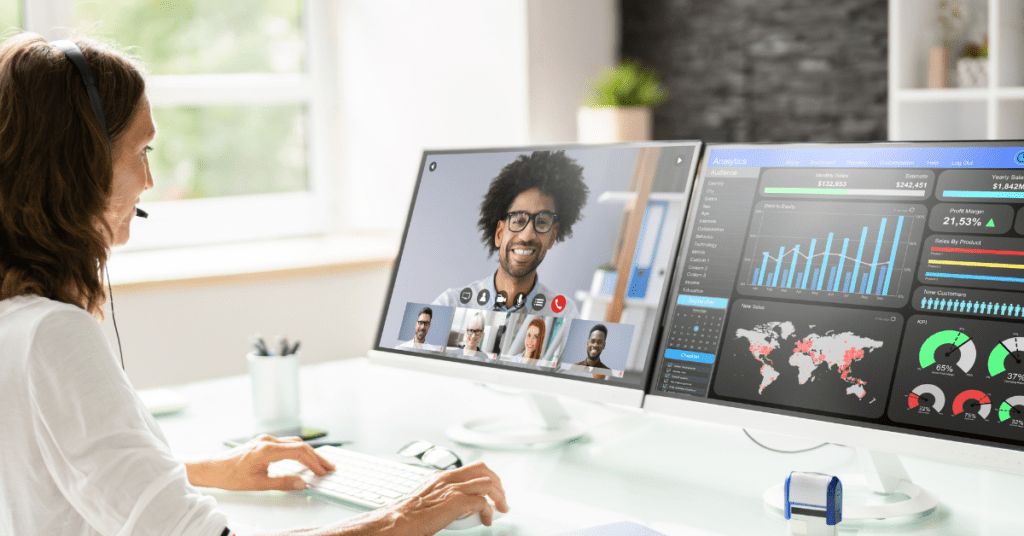
Blog Home Articles Videos Blog Home Articles Earnings Results: Why Conference Calls and Webcasts Are Here to Stay In the fast-paced world of corporate communications, financial earnings calls and presentations continue to be the cornerstone of keeping everyone in the loop about a company’s performance and future plans. As we dive deeper into 2024, we’re seeing some exciting new trends that are shaking things up, while at the same time, reinforcing why these traditional methods of communication are still so valuable. The Evolving Landscape of Earnings Calls Let’s talk about what’s new and exciting in the world of earnings calls. First off, we’re seeing a real push towards making these presentations more visually appealing. Gone are the days of dry, text-heavy slides. Companies are now embracing interactive dashboards that let them show off their key metrics in real-time. It’s like watching your favorite sports stats, but for business! They’re also using infographics to turn complex financial data into something that’s actually easy on the eyes and quick to understand. Some forward-thinking companies are even throwing short video clips into the mix, giving their presentations that extra oomph. But it’s not just about pretty pictures. Artificial Intelligence is making its presence felt in a big way. Imagine having an AI assistant that can analyze the tone of an entire earnings call, giving valuable insights into how things really went. Or how about real-time transcription and translation? It’s making these calls accessible to a global audience like never before. And here’s a cool one – AI is helping companies predict what questions might come up, so they can be better prepared with comprehensive answers. It’s like having a crystal ball, but for Q&A sessions! Now, let’s talk about a hot topic that’s been on everyone’s mind lately – ESG. That’s Environmental, Social, and Governance for those who might not be familiar. More and more investors are keen to know how companies are doing in these areas, and earnings calls are reflecting that. Companies are spending more time talking about their sustainability goals and how they’re running things behind the scenes. It’s not just about the bottom line anymore; it’s about being a responsible corporate citizen. And of course, we can’t ignore the impact of the pandemic on how these calls are conducted. Virtual and hybrid formats are here to stay. They’re more accessible, cost-effective, and flexible. It’s a win-win situation – companies save on travel costs, and more people can tune in from anywhere in the world. Why Conference Calls and Webcasts Are Still the Go-To Now, you might be wondering, with all these digital transformations happening, why are we still sticking with good old conference calls and webcasts? Well, there are some pretty compelling reasons. First off, there’s nothing quite like real-time interaction. It’s one thing to read a report, but it’s a whole different ball game when you can ask questions on the spot and get immediate clarification. It builds trust and transparency in a way that a written document just can’t match. Then there’s the human element. When you hear an executive speak, you’re not just getting the facts and figures. You’re picking up on their tone, their enthusiasm, their confidence. Are they excited about the company’s performance? Are they nervous about addressing a challenging quarter? These nuances are crucial, and they come across in a way that’s impossible to capture in writing. Let’s not forget about the legal side of things. Earnings calls are a standardized, compliant way of sharing financial information. Everyone gets the info at the same time, which keeps things fair and square. Plus, having a recorded webcast means there’s a verifiable record of what was said. It’s like having a financial time capsule that you can refer back to whenever needed. Lastly, these calls are golden opportunities for building relationships. Analysts get to pick the brains of the management team directly. Investors can get a feel for the company’s vision straight from the horse’s mouth. It’s like a financial meet-and-greet, and it’s invaluable for both sides. So, next time you tune into an earnings call, keep an eye (and ear) out for these trends. You might just find yourself enjoying a financial presentation more than you ever thought possible! Tags: Conference Calls Read More: All Post AlgoMind Design Event Technology Trends NeurAgency Must-Attend Corporate Communications Events in 2025 Xcyte DigitalRead More Video: Breeze Intelligence by HubSpot: Smart CRM Integration Xcyte DigitalRead More Gamification on a Budget: Cost-Effective Ideas for Small Virtual Events Xcyte DigitalRead More AI in Event Measurement: Leveraging Technology for Better ROI Xcyte DigitalRead More Video: Zenus: AI-Powered Audience Analytics Xcyte DigitalRead More Load More End of Content.